
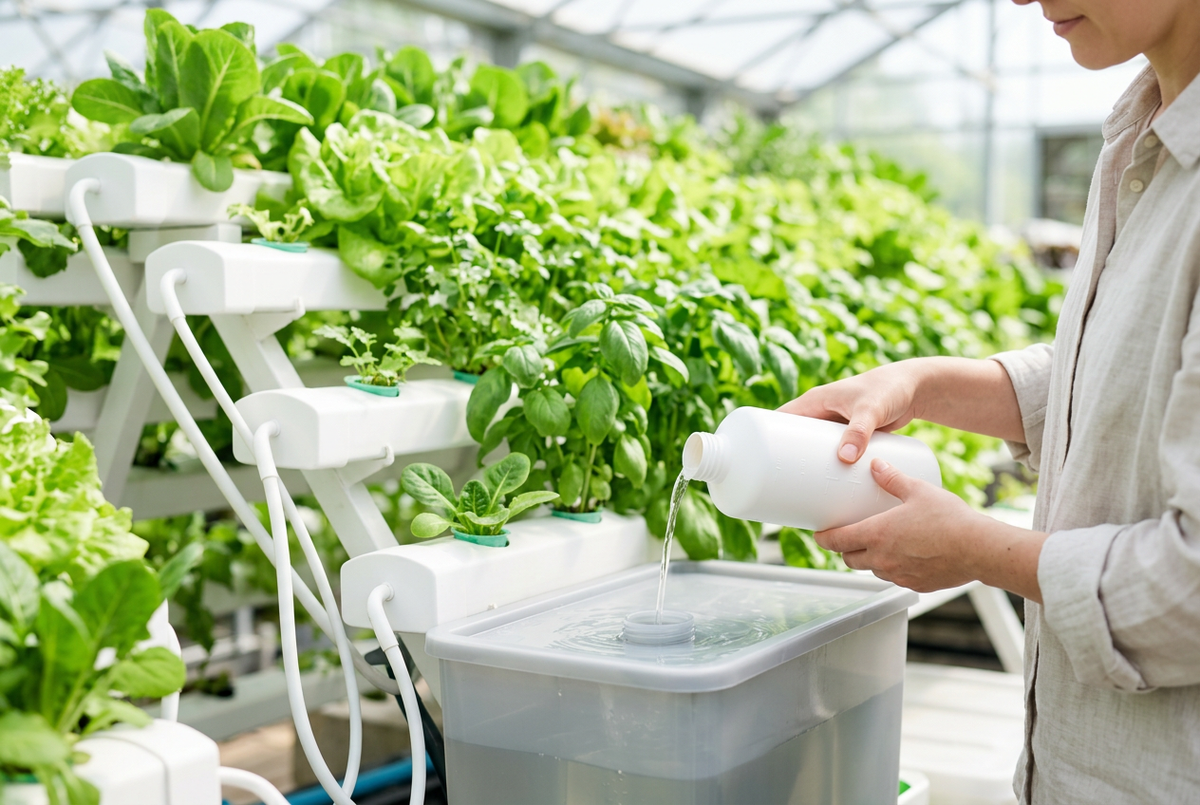
Liquid Silica Supplements for Plants: Benefits and How to Use Them
Silica supplements are a popular addition to many growing programs, helping growers support plant structure and resilience. Whether you're growing vegetables hydroponically, cultivating plants in coco coir or potting mix, or caring for a collection of indoor foliage plants, silica may be a useful supplement to consider.
Products such as Growth Technology GT Silica and HY-GEN Budlink offer convenient ways to incorporate silica into your growing routine.


But what does silica actually do for plants? How does it work in different growing mediums, and can it benefit popular indoor plants such as variegated Monstera? Let's take a closer look.
What Is Silica, and Why Is It Used for Plants?
Silicon is one of the most abundant elements in the Earth's crust. Although it is not considered an essential nutrient for every plant, many species can absorb silicon from their growing environment and accumulate it in their tissues.
This accumulation can contribute to structural strength and help plants cope with certain environmental stresses. The benefits vary depending on the plant species, growing conditions and availability of silicon.
In gardening, the terms silica and silicon are often used interchangeably. However, not every silicon-containing compound is equally available for plant uptake. The formulation of a supplement therefore matters when choosing a product for your growing setup.
The Potential Benefits of Silica Supplements
Adding a suitable silica supplement to your growing program may provide several benefits.
1. Supporting Stronger Plant Structure
Silicon can accumulate in plant tissues and contribute to their structural strength. Depending on the species, this may help support sturdier stems and leaves.
This can be useful for growers looking to maintain healthy, well-developed plants throughout their growth cycle.

2. Helping Plants Cope With Environmental Stress
Research across a range of plant species has associated silicon supplementation with improved tolerance to certain environmental stresses, including heat, drought and salinity.
The degree of benefit depends on the plant and its growing conditions. Silica is not a substitute for appropriate watering, temperature management, lighting or general plant care.
3. Supporting Healthy Plant Development
Where silicon supplementation is beneficial, it can complement a balanced plant nutrition program. By supporting plant structure and certain stress responses, it may contribute to healthy development.
Silica does not replace a complete fertiliser, and it should not be relied upon to correct deficiencies in essential nutrients such as nitrogen, phosphorus, potassium, calcium or magnesium.
4. An Option for Different Growing Methods
Silica supplements are not limited to hydroponic systems. Depending on the product, they may also be suitable for plants grown in coco coir, soil and potting mix.
The important consideration is whether the growing medium already provides sufficient plant-available silicon and whether the particular plant is likely to benefit from additional supplementation.
Using Silica in Hydroponics
Hydroponic growers have direct control over the nutrient solution supplied to their plants. A suitable silica supplement can be incorporated into a feeding program alongside a balanced base nutrient, provided the products are compatible.
Unlike soil-based growing, hydroponics does not provide the same reservoir of soil minerals. The availability of silicon therefore depends largely on the water, nutrients and supplements used in the system.
When using silica in hydroponics, follow the manufacturer's recommended mixing order. Some formulations are best added to the water before other nutrients to reduce the risk of unwanted reactions or precipitation.
After preparing the complete nutrient solution, check the pH and adjust it as required for your plants and system.
Using Silica in Soil and Potting Mix
Silica supplements can also be considered for plants grown in soil, potting mix and coco coir.
Although soil commonly contains silicon in various mineral forms, not all of it is readily available for plant uptake. Availability depends on factors such as soil composition, pH, growing conditions and plant species.

Potting mixes vary, too. Some contain mineral ingredients that can supply silicon, while others may provide relatively little plant-available silicon.
How to Apply Silica to Potted Plants
The appropriate application method depends on the product. Some liquid supplements may be suitable for application through watering, while others have different instructions or restrictions.

For best results:
-
Check the label: Confirm that the product is suitable for your growing medium and intended application.
-
Use the recommended dosage: Do not assume that a hydroponic application rate is automatically suitable for soil or potting mix.
-
Dilute correctly: Prepare the solution according to the manufacturer's instructions rather than applying concentrated supplement directly to roots.
-
Maintain balanced nutrition: Silica should complement your regular fertiliser rather than replace it.
-
Monitor plant health: Consider the plant species, growing conditions and existing nutrient availability when deciding whether supplementation is worthwhile.
Not every potted plant needs additional silica. If the growing medium already supplies sufficient available silicon, adding more may provide little benefit.
Silica for Variegated Plants: Does It Help Monstera Albo?
Silica is frequently discussed among indoor plant enthusiasts, particularly collectors growing variegated plants such as Monstera deliciosa 'Albo Variegata', Thai Constellation and variegated Philodendrons.
These plants are prized for their contrasting green and white foliage, and growers often look for ways to maintain healthy leaves as the plant develops.
Silica may support general plant structure and stress tolerance where the plant benefits from additional available silicon. However, there is currently insufficient direct evidence to conclude that silica supplements specifically improve variegation, prevent white sections from browning or stop plants from reverting to green growth.

Can Silica Prevent Brown Edges on White Leaves?
The white sections of variegated leaves contain little or no chlorophyll, so they contribute less to photosynthesis than the green sections. Depending on the plant and its conditions, these areas may be susceptible to damage.
However, browning can have several causes, including environmental stress, watering problems, root health, excessive light or heat, and other growing conditions. Silica should not be considered a proven treatment for brown edges on variegated Monstera.
If you're growing Monstera Albo or other variegated foliage plants, focus first on:
-
Providing suitable bright, indirect light.
-
Maintaining consistent watering without waterlogging the potting mix.
-
Keeping roots healthy and ensuring good drainage.
-
Avoiding excessive heat and sudden environmental changes.
-
Providing balanced nutrition appropriate for the plant.
Silica may be an optional addition to an otherwise suitable growing program, but it cannot guarantee whiter leaves, prevent browning or control the pattern of future variegation. Variegation is primarily determined by the plant's genetics and the growth of its growing points.
Choosing a Silica Supplement
Different silica supplements use different formulations and may have different application rates and mixing requirements. It is important to choose a product suited to your growing method rather than assuming all silica products work in exactly the same way.
At Hydroponic Solutions, our silica range provides options for growers looking to supplement their plant nutrition program.
When comparing products, consider:
-
Whether the product is suitable for hydroponics, soil, coco or your intended growing method.
-
The manufacturer's recommended dosage and application frequency.
-
The recommended mixing order and compatibility with your existing nutrients.
-
The product's specific directions for your type of plant and growing setup.
Always follow the product label, particularly when mixing supplements into a hydroponic reservoir or applying them to sensitive plants.
Give Your Plants the Right Support
Silica supplements can be a useful addition to a well-managed growing program. Depending on the plant and growing conditions, they may help support plant structure and improve tolerance to certain environmental stresses.
Whether you're growing hydroponically, cultivating plants in potting mix or caring for a collection of prized indoor foliage plants, the key is to maintain suitable growing conditions and balanced nutrition.
For variegated plant collectors, silica is worth understanding as a potential supplement, but it should not be viewed as a shortcut to better variegation or a guaranteed solution for browning leaves.
Explore Silica Supplements at Hydroponic Solutions
Looking for a silica supplement for your growing setup? Browse our range to compare available products and find an option suited to your plants and growing method.
Shop our Silica Supplements Collection at Hydroponic Solutions.
Choose your supplement carefully, follow the manufacturer's instructions and give your plants the best possible foundation for healthy growth.